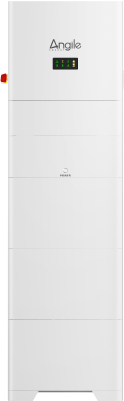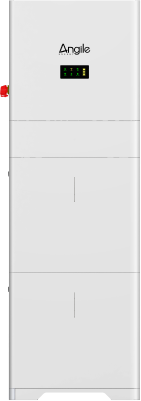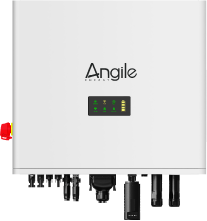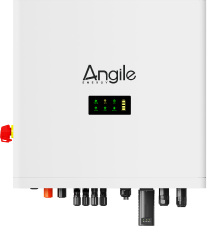

Man mano che i sistemi energetici cambiano, i Home Energy Management Systems (HEMS) sono passati dal semplice monitoraggio al ruolo di controllore principale delle case moderne. Per le abitazioni con pannelli solari, batterie, caricabatterie per EV o pompe di calore, un HEMS è ormai uno strumento pratico e non più un accessorio opzionale.
Con l’evoluzione dei prezzi dell’elettricità, questi sistemi forniscono i dati e il controllo necessari per ridurre l’uso della rete e sfruttare al meglio l’energia rinnovabile. Per i proprietari di casa significa un migliore controllo dei costi energetici; per gli installatori rappresenta la base di un ecosistema energetico affidabile, ad alte prestazioni e con bassa manutenzione.
Tuttavia, con molti marchi e standard tecnici da considerare, trovare il sistema giusto può essere difficile. Sia che siate un proprietario di casa alla ricerca di costi più bassi, sia che siate un installatore alla selezione di una soluzione affidabile per i clienti, ecco i 5 principali fattori tecnici e operativi da considerare quando si sceglie un HEMS nel 2026.
Prima di selezionare un HEMS, è necessario identificare la connessione elettrica esistente dell’abitazione.
① Sistemi monofase I più comuni nelle normali abitazioni residenziali. Sono convenienti e più semplici da installare, ma hanno limiti di potenza inferiori.
② Sistemi trifase Sempre più comuni nelle case moderne con elevati fabbisogni energetici, come più caricabatterie EV, pompe di calore o grandi impianti solari.
Perché è importante
Se un HEMS monofase viene usato in una casa trifase senza la corretta configurazione, potrebbe non riuscire a tracciare il consumo energetico su tutte le fasi. Questo porta a uno scarico inefficiente della batteria e a costi di rete non necessari. Assicuratevi che il sistema sia progettato per gestire i requisiti specifici di fase dell’immobile.
| Caratteristica | Bassa tensione (LV) - ~48V | Alta tensione (HV) - >100V (ad es. 300V-500V) |
| Sicurezza | Intrinsecamente più sicura per il fai-da-te/la manutenzione di base grazie al minor rischio di scosse elettriche. | Richiede isolamento di livello professionale e protocolli di sicurezza più rigorosi. |
| Efficienza | Maggiore perdita di energia durante la conversione DC-AC. | Efficienza eccezionale; minore generazione di calore e minori perdite nei cavi. |
| Potenza in uscita | Più adatta a carichi moderati e cicli quotidiani. | Ideale per apparecchi con picchi elevati (pompe di calore, macchinari pesanti). |
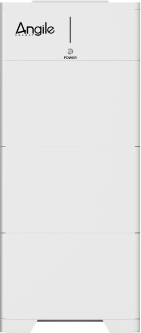
La scelta della batteria influisce in modo significativo sull’efficienza del sistema e sui requisiti di installazione. Sebbene le batterie LV siano spesso scelte per la loro sicurezza, i moderni sistemi HV dotati di Battery Management System (BMS) avanzati stanno diventando la scelta preferita per gli HEMS grazie alla loro maggiore efficienza e ai tempi di ricarica più rapidi.
Nel 2026, un HEMS senza una solida app mobile è solo un controllore cieco. Per l’utente finale, l’app è l’unico modo per vedere il flusso “invisibile” dell’energia.
La sicurezza è la preoccupazione principale per chi vive con una grande batteria in garage o in cantina. Quando valutate un HEMS, guardate oltre il prezzo e considerate le certificazioni di sicurezza:
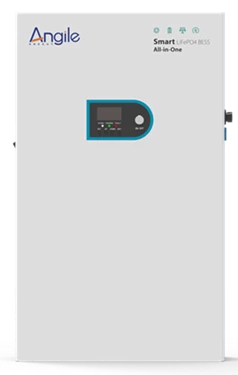
① Chimica della batteria: Il Litio Ferro Fosfato (LiFePO4) è lo standard per gli HEMS perché è più stabile termicamente e presenta un rischio inferiore di surriscaldamento rispetto ad altri tipi di litio-ionio.
② Protezione del sistema: Assicuratevi che l’HEMS abbia un Battery Management System (BMS) multilivello che monitori in tempo reale temperatura, tensione e corrente a livello di cella.
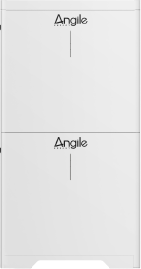
Le esigenze energetiche cambiano. Una casa che oggi non ha un Veicolo Elettrico potrebbe averne due entro il 2030. Un HEMS modulare permette di aggiungere maggiore capacità di batteria o moduli di potenza senza sostituire l’intero sistema. Questa flessibilità protegge l’investimento iniziale e garantisce che il sistema rimanga utile man mano che cambiano le esigenze energetiche della casa.
Scegliere il giusto HEMS è un equilibrio tra compatibilità tecnica e obiettivi energetici futuri. Sebbene Monofase vs. Trifase sia un requisito tecnico non negoziabile, la scelta tra Alta tensione e Bassa tensione determinerà l’efficienza della casa per molti anni.
In Angile Energy, ci specializziamo in soluzioni energetiche ad alta efficienza e con monitoraggio intelligente, progettate sia per le esigenze rigorose degli installatori sia per i requisiti di sicurezza dei proprietari di casa.
Siete confusi su quale HEMS si adatti alla vostra specifica configurazione di rete? Contattate il nostro team di ingegneria per una consulenza tecnica.