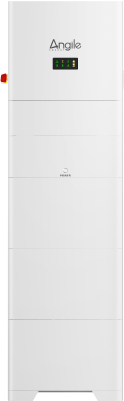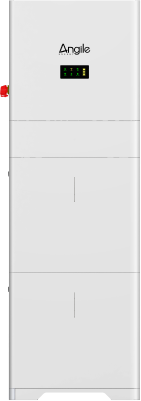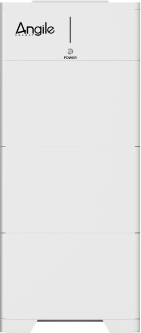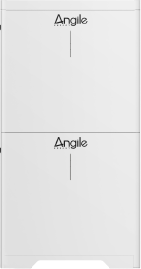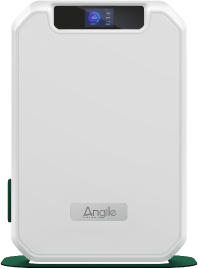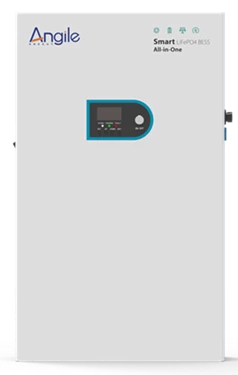


Sì, abbiamo oltre 300 installatori partner che possono fornirvi il servizio di installazione. Potete contattare il vostro rivenditore o il team commerciale di Angile Energy per organizzare l'installazione.
Consigliamo vivamente ai nostri clienti di richiedere un installatore professionista che abbia ricevuto una formazione adeguata e sia in possesso di una certificazione o verifica in ambito elettrico. Per procedere con l'installazione, contattate il vostro rivenditore o il team di Angile Energy.
I tempi di attesa per l'installazione da parte dei nostri partner variano a seconda della regione. In genere, l'attesa è di 3-7 giorni.
Di solito, richiediamo ai nostri partner di offrire un servizio di installazione iniziale gratuito. Per verificare se l'installazione è gratuita, si prega di contattare il rivenditore.
Sì. Gli inverter Angile (sia monofase che trifase) supportano l'installazione senza batterie, consentendo il loro utilizzo in Italia come inverter fotovoltaici puri. Gli utenti possono quindi aggiungere le batterie in un secondo momento, in base al proprio consumo. Il sistema supporta anche l'espansione della capacità di un impianto di batterie esistente. Ad esempio, un impianto con un inverter da 10 kW e una batteria da 10 kWh può essere successivamente espanso a 20 kWh. Nota: quando si utilizzano batterie nuove e vecchie, è necessario assicurarsi che lo stato di carica (SOC) e la tensione della batteria siano coerenti; in caso contrario, la stabilità del sistema e la durata della batteria potrebbero risentirne.
No. I prodotti Angle richiedono una connessione internet Wi-Fi per ricevere aggiornamenti software e comunicare con la piattaforma di monitoraggio per il tracciamento del consumo energetico. Una connessione affidabile è necessaria per fornire nuove funzionalità del prodotto nel tempo. Sebbene il sistema Angle possa continuare a generare energia e funzionare normalmente anche in caso di interruzione temporanea della connessione internet, non sarà possibile monitorare o gestire lo stato operativo del dispositivo. Pertanto, l'installazione in luoghi senza accesso a internet è sconsigliata.
L'inverter per accumulo di energia Angile offre quattro modalità operative: Modalità di autoconsumo, Modalità priorità oraria, Modalità priorità batteria e Modalità di dispacciamento. Il sistema è impostato di default sulla Modalità di autoconsumo.
Sì. Sia gli inverter monofase che trifase di Angile supportano il funzionamento in parallelo, con un limite massimo di 6 unità collegate tra loro.
Questa modalità di backup è pensata per le regioni soggette a frequenti interruzioni di corrente. Mantiene la batteria a un livello di capacità elevato per garantire che i carichi di emergenza (EPS) rimangano alimentati anche in caso di interruzione della rete elettrica. In questa modalità, la funzione di ricarica dalla rete è abilitata di default.
In caso di interruzione di corrente, il sistema alimenterà i carichi dell'EPS (alimentatore di emergenza) utilizzando l'energia solare fotovoltaica e la batteria. L'energia solare ha la priorità nell'alimentazione dei carichi, mentre l'energia in eccesso viene utilizzata per caricare la batteria. (Nota: è necessario installare una batteria e il carico dell'EPS non deve superare la potenza massima erogabile dalla batteria.)
Questa modalità è adatta a regioni con tariffe di immissione in rete basse e prezzi dell'elettricità elevati. L'energia solare viene utilizzata prioritariamente per alimentare i carichi locali; l'energia in eccesso viene utilizzata per caricare la batteria e l'elettricità rimanente viene immessa nella rete. Gli utenti possono configurare il livello di scarica (il valore predefinito è 85%) e scegliere se consentire la ricarica dalla rete.
Una batteria deve sempre conservare una certa capacità di carica. La profondità di scarica di una batteria dipende dalla sua composizione chimica; per garantire una lunga durata, si raccomanda generalmente di non spingerla al limite assoluto. La profondità di scarica (DoD) predefinita in fabbrica per queste batterie è dell'85%.
Un inverter per sistemi di accumulo energetico è un dispositivo di conversione di potenza specificamente progettato per gestire il flusso di elettricità tra un sistema di accumulo a batteria, la rete elettrica e i carichi elettrici. Gestisce in modo efficiente la conversione, l'immagazzinamento e la distribuzione dell'energia all'interno di un sistema di energia rinnovabile. Che sia abbinato a fonti di energia solare, eolica o di altro tipo, ottimizza l'efficienza energetica, riduce i costi dell'elettricità e aumenta l'indipendenza dalla rete.
La potenza di un inverter è espressa in kilowatt (kW), mentre la capacità di accumulo di energia di una batteria è espressa in kilowattora (kWh).
Sì. Durante il funzionamento in parallelo, è consentito collegare un'unità a una batteria mentre l'altra no. In alternativa, i due inverter possono essere collegati a un numero diverso di batterie.
Dopo aver acquistato un sistema di accumulo energetico domestico Angile All-in-One, riceverai accesso gratuito a vita alla piattaforma di monitoraggio online in tempo reale di Angile. Puoi accedere alla piattaforma tramite un browser web o attraverso la nostra app dedicata per dispositivi iOS e Android. L'app consente un monitoraggio completo del flusso energetico della tua casa, incluso il monitoraggio della produzione dei pannelli solari, il monitoraggio del consumo energetico e il controllo dell'energia immagazzinata nella batteria.
Le batterie domestiche Angile non richiedono manutenzione. Una connessione di rete attiva consente al software di sistema di ricevere aggiornamenti regolari in modo automatico.
Per gli utenti finali, i tempi di consegna tipici sono compresi tra tre e sette giorni. La disponibilità di questi servizi varia a seconda del rivenditore. Per maggiori informazioni sulla logistica, si prega di contattare il proprio rivenditore.
Per i rivenditori o gli installatori, provvederemo noi alla spedizione dell'ordine. Si prega di contattare il proprio responsabile commerciale dedicato o il nostro team commerciale per ulteriori dettagli.
Vi assisteremo nel contattare il fornitore di servizi logistici competente per confermare la ripartizione delle responsabilità. Se lo smarrimento durante il trasporto non è imputabile all'acquirente, ci assumeremo la responsabilità.
No. Attualmente, gli inverter monofase sono compatibili solo con batterie a bassa tensione, mentre gli inverter trifase sono compatibili solo con batterie ad alta tensione. Le tensioni di ingresso della porta della batteria sono diverse per gli inverter monofase e trifase, quindi non possono essere utilizzati in modo intercambiabile.
Durante il collegamento, l'uscita dell'inverter monofase Angile viene semplicemente connessa a una qualsiasi delle tre fasi della rete. Fungerà da fonte di alimentazione per quella specifica fase e potrà monitorare solo il consumo di carico di quella fase.