
Mentre il mondo si muove verso l'energia rinnovabile, la capacità di immagazzinare energia è diventata importante quanto la capacità di generarla. È qui che entra in gioco un Battery Energy Storage System (BESS). Questi sistemi svolgono un ruolo estremamente importante nella gestione energetica, immagazzinando l'elettricità in eccesso e mantenendo una fornitura di energia stabile per una vasta gamma di utenti.
Sia che tu stia cercando un sistema per una singola abitazione (HEMS) o per un'applicazione più grande di tipo Commercial & Industrial (C&I), comprendere come funzionano questi sistemi e il loro profilo di sicurezza è essenziale per fare un investimento informato.
BESS sta per Battery Energy Storage System (Sistema di accumulo di energia a batteria). In termini semplici, è una tecnologia che cattura l'energia dalla rete o da fonti rinnovabili (come il solare o l'eolico) e la immagazzina in batterie ricaricabili. Questa energia può essere poi erogata in un secondo momento, quando i prezzi dell'elettricità sono alti, quando il sole non splende o durante un'interruzione di corrente.
Mentre una semplice batteria trattiene solo una carica, un sistema (BESS) include l'hardware e il software necessari per gestire quell'energia in modo sicuro ed efficiente.
I componenti principali di un BESS includono il sistema di batterie per l' accumulo di energia e un Battery Management System (BMS) per garantire sicurezza e stabilità. Inoltre, un Power Conversion System (PCS) gestisce il flusso di elettricità tra DC e AC, mentre un Energy Management System (EMS) coordina tutte le parti per ottimizzare le prestazioni.
Un BESS funziona prelevando elettricità dalla rete o dai pannelli solari e immagazzinandola nelle batterie come energia chimica. Quando hai bisogno di quella potenza in seguito, il sistema la riconverte in elettricità per alimentare luci, elettrodomestici o macchinari.
Un BESS è molto più di un semplice insieme di celle della batteria. Si affida ai componenti sopra menzionati per funzionare:
In breve, per farlo in modo sicuro ed efficiente, il sistema utilizza un BMS per evitare che le batterie si surriscaldino e un inverter per trasformare la potenza nel tipo utilizzato dal tuo edificio. Infine, un controller intelligente chiamato EMS decide il momento migliore per risparmiare o utilizzare quell'energia per aiutarti a ridurre i costi.
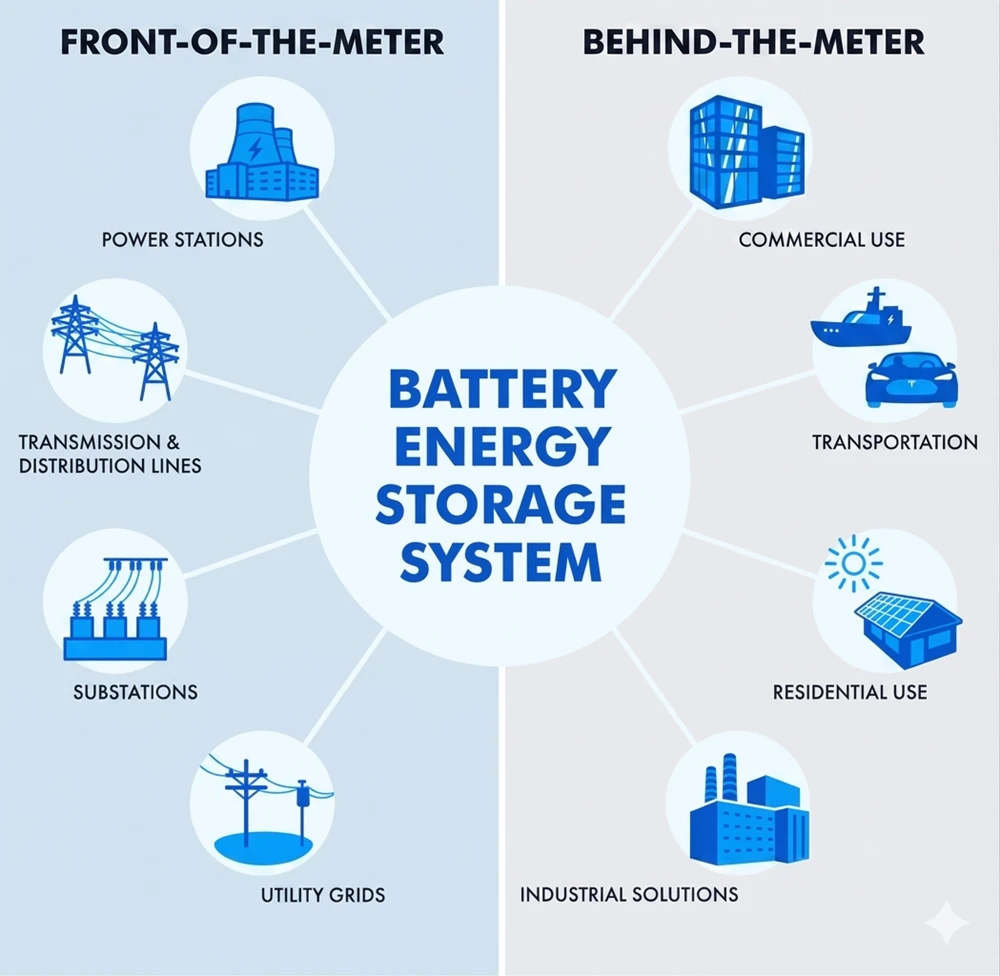
Scegliere le batterie per l'accumulo di energia offre diversi vantaggi rispetto ai metodi tradizionali. In primo luogo, un BESS non è limitato dalla posizione geografica, poiché non richiede enormi serbatoi d'acqua o bacini sotterranei. Questa elevata flessibilità consente al sistema di essere scalato per soddisfare varie esigenze di potenza, mentre la tecnologia moderna garantisce che queste unità siano sempre più leggere, sicure ed ecologiche.
Oltre a questi vantaggi fisici, un BESS fornisce un valore finanziario significativo per gli utenti domestici e i proprietari di aziende attraverso 3 metodi principali:
Integrando queste funzioni, la tecnologia BESS fa molto di più che limitarsi a immagazzinare energia: gestisce la domanda di picco, sposta i carichi per risparmiare denaro e stabilizza le microreti per una fornitura di energia più coerente e conveniente.
Il mercato globale dell'accumulo di energia a batteria è ben rifornito. Con il calo dei costi delle batterie, i sistemi di accumulo pronti all'uso stanno diventando molto più accessibili per i consumatori. Nella scelta di un sistema, tuttavia, il prezzo non dovrebbe essere l'unico fattore. Dovresti considerare anche:
L'integrità complessiva del sistema e la disponibilità di apparecchiature di supporto, la sicurezza chimica e i tratti specifici delle batterie, la qualità e la fornitura dei componenti hardware e l'affidabilità del software.
La scelta di un produttore dipende dalla priorità data alla semplicità "tutto-in-uno" o alla flessibilità tecnica.
Quando selezioni un sistema per la casa, cerca produttori che offrano design modulari. Ciò ti consente di iniziare con una capacità ridotta e aggiungere altri moduli batteria in seguito. È inoltre importante scegliere un marchio che utilizzi la chimica LiFePO4 (LFP) e fornisca una solida app mobile per il monitoraggio in tempo reale. Per gli installatori, la scelta di un marchio con un supporto tecnico affidabile e capacità di diagnostica remota è una priorità assoluta.
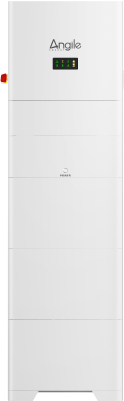
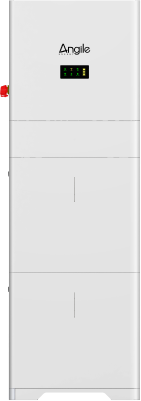
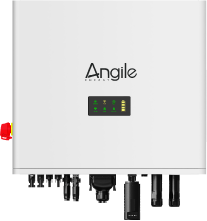
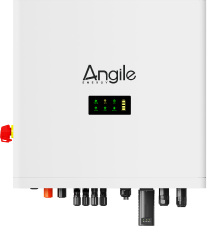
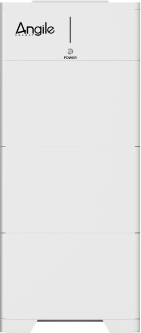
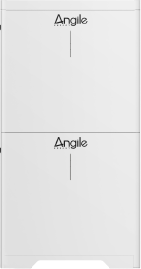
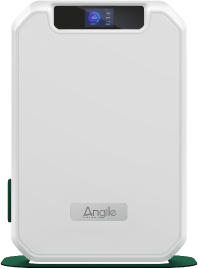
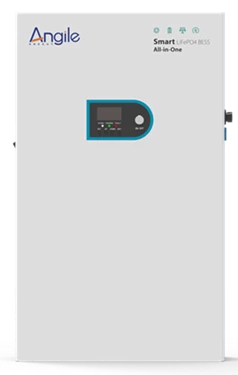
Un'opzione valida che soddisfa questi criteri è Angile Energy. Sono specializzati in soluzioni ESS all-in-one, che semplificano il processo di configurazione integrando la batteria e l'inverter in un'unica unità elegante. Oltre all'hardware, offrono un servizio di installazione locale per garantire che il sistema sia configurato correttamente e in sicurezza. Per chi si trova in Europa, il loro magazzino con sede in Italia rappresenta un grande vantaggio, garantendo una logistica rapida e tempi di consegna veloci per evitare le lunghe attese spesso associate alle spedizioni internazionali.
La sicurezza è una domanda comune per chiunque installi una batteria di grandi dimensioni in casa o in azienda. Sebbene qualsiasi sistema elettrico ad alta tensione presenti dei rischi, la tecnologia delle batterie è migliorata molto. È utile pensarla come a un'auto o a un grande elettrodomestico: deve essere costruita bene e trattata con rispetto, ma non è qualcosa di cui aver paura.
Il tipo di batteria all'interno fa una grande differenza. I vecchi modelli di batterie al litio potevano surriscaldarsi facilmente, ma la maggior parte dei sistemi moderni ora utilizza il Litio Ferro Fosfato (LFP). Questo materiale è molto più stabile e può sopportare temperature elevate senza prendere fuoco, rendendolo la scelta più sicura per gli edifici.
Per far sì che tutto funzioni correttamente, questi sistemi hanno diverse "reti di sicurezza". Ci sono fusibili fisici che scattano in caso di sbalzo di tensione, e il BMS monitora costantemente eventuali problemi, spegnendo automaticamente la batteria se diventa troppo calda o si comporta in modo anomalo. Se un professionista installa l'unità in un punto con un buon flusso d'aria, un BESS è un modo sicuro e affidabile per alimentare la tua vita.
Un Battery Energy Storage System è il fondamento dell'indipendenza energetica. Immagazzinando energia per un uso successivo, aiuta i proprietari di case e le aziende a ridurre le bollette, sostenere la rete e garantire di avere energia quando ne hanno più bisogno.
Stai considerando un BESS per il tuo prossimo progetto? Esplora la nostra gamma di soluzioni di accumulo di energia o contatta il nostro team di ingegneri per una consulenza tecnica.