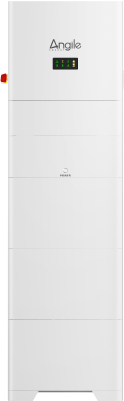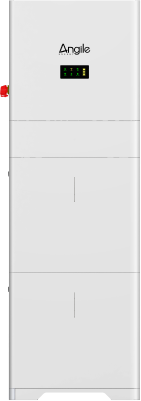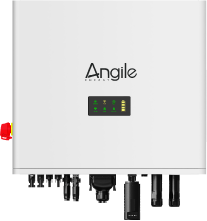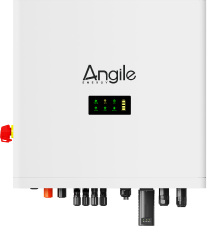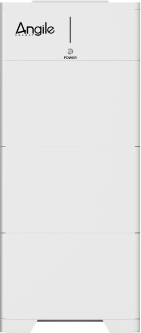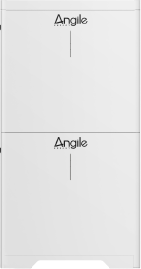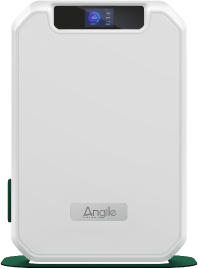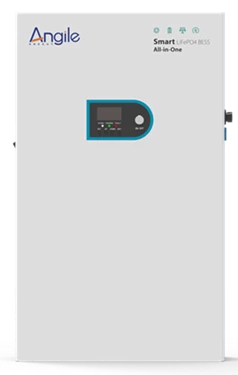


L'inverter per accumulo di energia Angile offre quattro modalità operative: Modalità di autoconsumo, Modalità priorità oraria, Modalità priorità batteria e Modalità di dispacciamento. Il sistema è impostato di default sulla Modalità di autoconsumo.
Sì. Sia gli inverter monofase che trifase di Angile supportano il funzionamento in parallelo, con un limite massimo di 6 unità collegate tra loro.
Questa modalità di backup è pensata per le regioni soggette a frequenti interruzioni di corrente. Mantiene la batteria a un livello di capacità elevato per garantire che i carichi di emergenza (EPS) rimangano alimentati anche in caso di interruzione della rete elettrica. In questa modalità, la funzione di ricarica dalla rete è abilitata di default.
In caso di interruzione di corrente, il sistema alimenterà i carichi dell'EPS (alimentatore di emergenza) utilizzando l'energia solare fotovoltaica e la batteria. L'energia solare ha la priorità nell'alimentazione dei carichi, mentre l'energia in eccesso viene utilizzata per caricare la batteria. (Nota: è necessario installare una batteria e il carico dell'EPS non deve superare la potenza massima erogabile dalla batteria.)
Questa modalità è adatta a regioni con tariffe di immissione in rete basse e prezzi dell'elettricità elevati. L'energia solare viene utilizzata prioritariamente per alimentare i carichi locali; l'energia in eccesso viene utilizzata per caricare la batteria e l'elettricità rimanente viene immessa nella rete. Gli utenti possono configurare il livello di scarica (il valore predefinito è 85%) e scegliere se consentire la ricarica dalla rete.
Una batteria deve sempre conservare una certa capacità di carica. La profondità di scarica di una batteria dipende dalla sua composizione chimica; per garantire una lunga durata, si raccomanda generalmente di non spingerla al limite assoluto. La profondità di scarica (DoD) predefinita in fabbrica per queste batterie è dell'85%.
Un inverter per sistemi di accumulo energetico è un dispositivo di conversione di potenza specificamente progettato per gestire il flusso di elettricità tra un sistema di accumulo a batteria, la rete elettrica e i carichi elettrici. Gestisce in modo efficiente la conversione, l'immagazzinamento e la distribuzione dell'energia all'interno di un sistema di energia rinnovabile. Che sia abbinato a fonti di energia solare, eolica o di altro tipo, ottimizza l'efficienza energetica, riduce i costi dell'elettricità e aumenta l'indipendenza dalla rete.
La potenza di un inverter è espressa in kilowatt (kW), mentre la capacità di accumulo di energia di una batteria è espressa in kilowattora (kWh).
Sì. Durante il funzionamento in parallelo, è consentito collegare un'unità a una batteria mentre l'altra no. In alternativa, i due inverter possono essere collegati a un numero diverso di batterie.
No. Attualmente, gli inverter monofase sono compatibili solo con batterie a bassa tensione, mentre gli inverter trifase sono compatibili solo con batterie ad alta tensione. Le tensioni di ingresso della porta della batteria sono diverse per gli inverter monofase e trifase, quindi non possono essere utilizzati in modo intercambiabile.
Durante il collegamento, l'uscita dell'inverter monofase Angile viene semplicemente connessa a una qualsiasi delle tre fasi della rete. Fungerà da fonte di alimentazione per quella specifica fase e potrà monitorare solo il consumo di carico di quella fase.